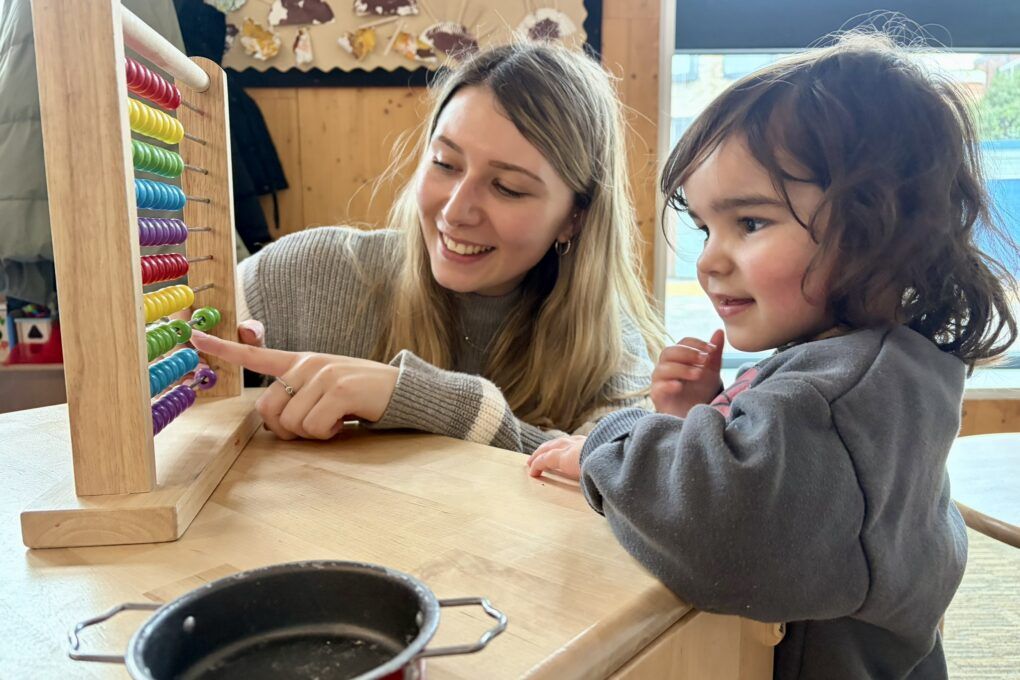
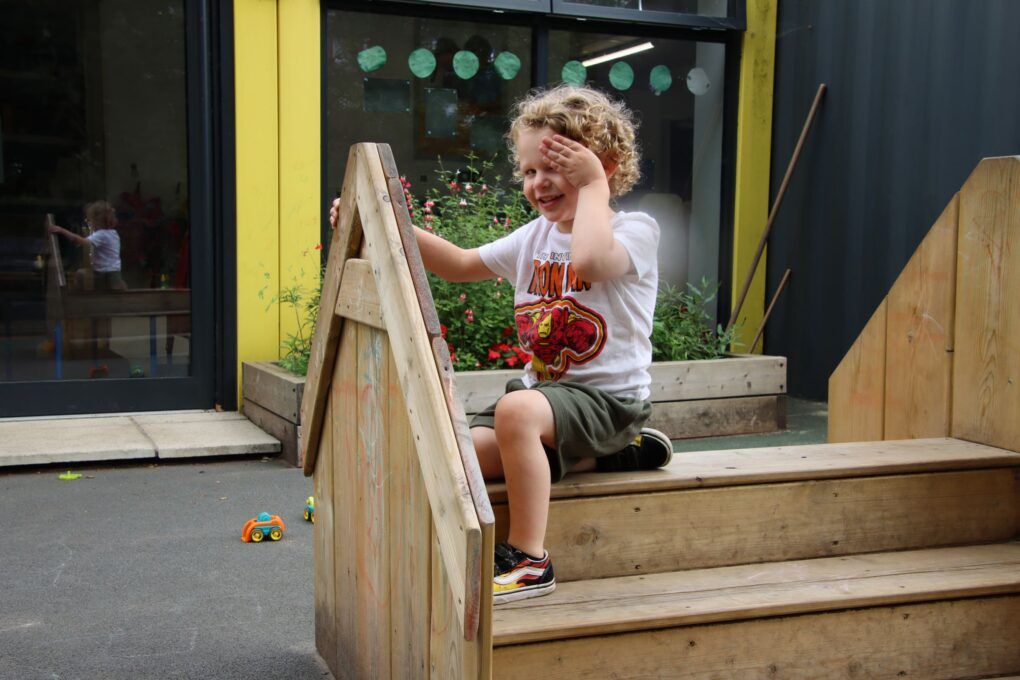
Our nurseries are so much more than childcare. They are environments where children grow braver, find their voice, make real friends, and leave ready for what comes next.
Building readiness: why executive functions are key for children starting Reception
12 June 2025
Starting reception is a huge milestone for children and their families. It’s a time of big changes and new routines that happen all at once.
Molly Devlin
Director of Early Years
Molly is Director of Early Years at Ark and runs Ark Start nurseries. She is passionate about providing quality education for young children and has worked in the early years for over 12 years – as a nursery headteacher, nursery manager, reception teacher, and as a primary school senior leader responsible for safeguarding, SEN, Early Years and early reading, including synthetic phonics to name a few.
She loves singing and storytelling and knows how fun and motivating it is for young children to learn more about the world through stories, songs and experiences. Originally from New Zealand, Molly enjoys spending as much time outdoors as possible and, in her spare time, she loves cuddling her cats.
At Ark Start, we believe that building executive functions in nursery gives children the tools they need to manage themselves, navigate challenges and thrive in this new environment – and far beyond.
What exactly are executive functions?
Think about a day where everything seems to go wrong – problems stack up, plans don’t go as expected, and you feel overwhelmed. Our ability to handle such days relies heavily on our executive functions. These are a set of mental skills that help us plan, organise, problem-solve, manage our time, stay focused, and regulate our emotions and behaviour.
We develop these skills from the moment we’re born and continue to work on throughout our lives. In this journey, children’s capacity when they face a challenge is a lot more limited. A simple frustration – like being told “no” – can quickly lead to frustration or emotional outbursts. That’s why co-regulation is so important, since adults support can help them navigate difficult moments and feelings to regulate their emotions and behaviours as they build these abilities.
How to support executive function development?
Together with other early years experts, we’ve created the Starting Reception toolkit to help parents, nurseries and schools work hand in hand to develop children’s executive functions and ensure they are ready to start reception.
For schools welcoming new reception children, we recommend:
Engaging with families and nurseries early, as soon as reception lists are confirmed.
Visiting nurseries to understand children’s current skills and what they need to learn next.
Sharing the Starting Reception guidance with families, during home visits, setting visits, or stay-and-play sessions.
Considering staggered starts, recognising that children who have attended full-time nursery may not need the same adapting period as those with less experience, and framing expectations for daily routines accordingly.
Embedding executive function in daily activities is also really important to support minimum curriculum expectations. At Ark Start, we follow five key principles that support these skills across the nursery day:
Five stories and rhymes a day. This exposes children to rich vocabulary that transfers into their expressive language.
‘Choose it, use it, put it away’. A simple routine that develops inhibition, working memory, setting goals and following through.
‘Plan, do, review’ model for play-based learning. We need to really think about what works well and what we can do to make it better next time.
A double-age limit for adult-led learning. Holding children’s listening and attention at the heart of everything we do, focusing on true engagement.
Indoor and outdoor play offered at both the beginning and end of the day. Giving children access to different spaces with different expectations.
Why start early?
In the past few years, we’ve seen a worrying rise in mental health issues among young people. Research suggests a strong link between mental health challenges and a lack of development of executive functions. By focusing on these skills in the early years, we can make a positive impact on children’s future success and well-being, providing a foundation for resilience, creativity, flexibility, lifelong learning and social influence.
Want to know more?
Watch this video from the “Early Connections” event held at 1EdCity on Thursday 5 June 2025.