What are the benefits of school-based nurseries?
07 April 2025
Much of the focus of the school-based nursery programme has been on expanding the number of places available for the roll-out of the working entitlements this September. But the potential of school-based nurseries is more than just a numbers game and goes far beyond just providing more places. Here are some unique benefits of this model that play an essential role in providing high-quality early education.
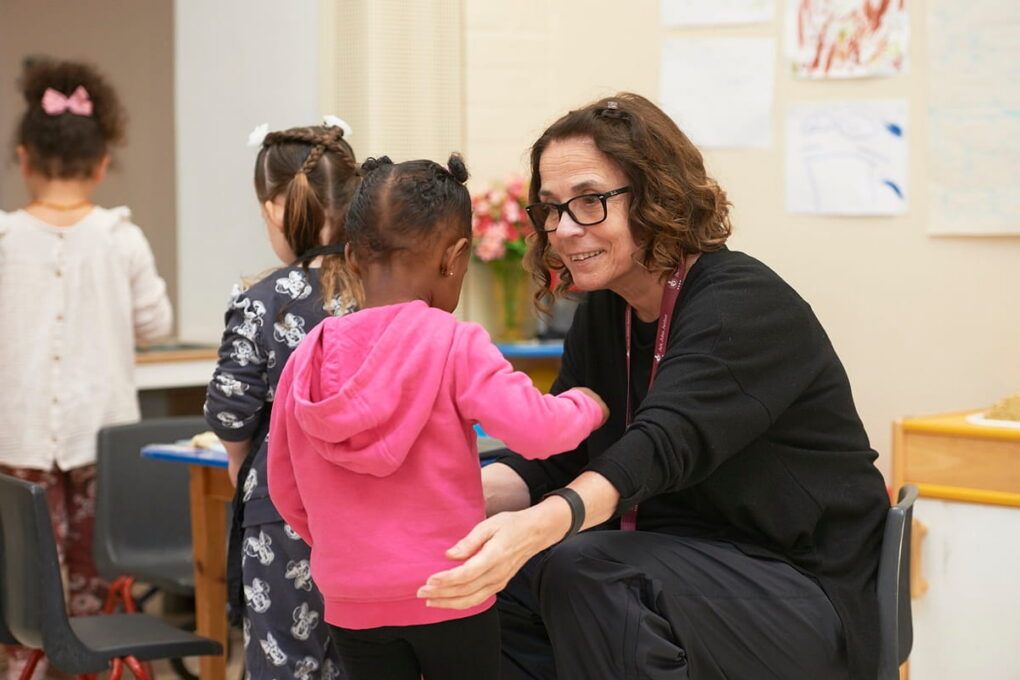
Children in school-based nurseries experience a more seamless transition to Reception as they are already familiar with the school environment, routines, and expectations. This early integration helps them feel confident and ready for the next stage of their education.
Shared expectations between the nursery and school supports curriculum planning and offers a consistent learning approach in key areas like early literacy, numeracy, and social development.
For children with emerging additional needs, this connection and sharing of expertise becomes all the more important.
Families using school-based nurseries will often continue their relationship with a particular school and staff body for over a decade, meaning strong, secure relationships can be established and built on in the best interest of the child.
Schools so often hold a unique position within their community as anchor institutions, working well beyond the traditional parameters of ‘school’. A nursery within a school strengthens these connections, fostering a sense of belonging for children and parents alike.
Staff in nurseries and schools can benefit from shared training, professional development, and best practice exchanges. This collaboration enhances teaching quality and promotes higher standards of early education.
Of course, we recognise the many challenges primary schools are facing – from falling rolls and financial challenges to the ongoing recruitment crisis.
We also know that not all primary leadership teams have the knowledge, expertise and capacity required to expand their provision into nursery, particularly if parents are seeking flexible, all year-round childcare that meets their needs.
Addressing these challenges is key to making the most of the school-based nursery model, which requires investment in high-quality training for staff, time for collaboration between nursery and school teams, and a well-thought plan to ensure a sustainable expansion.
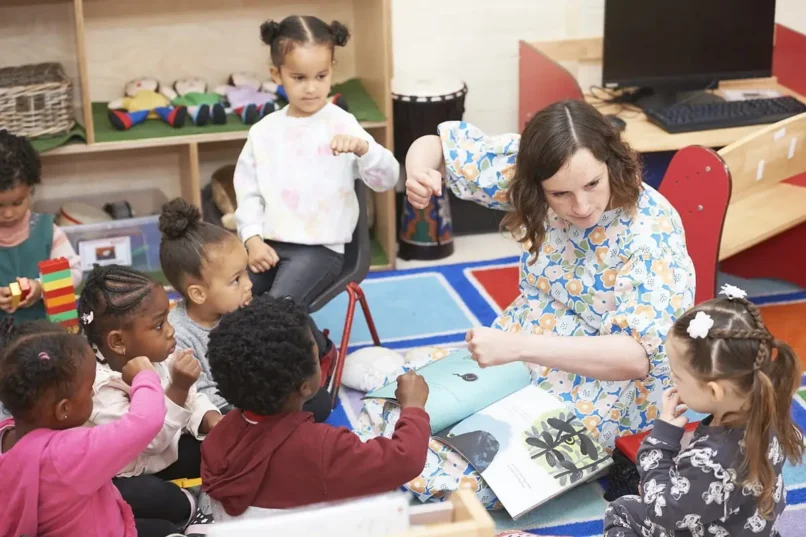
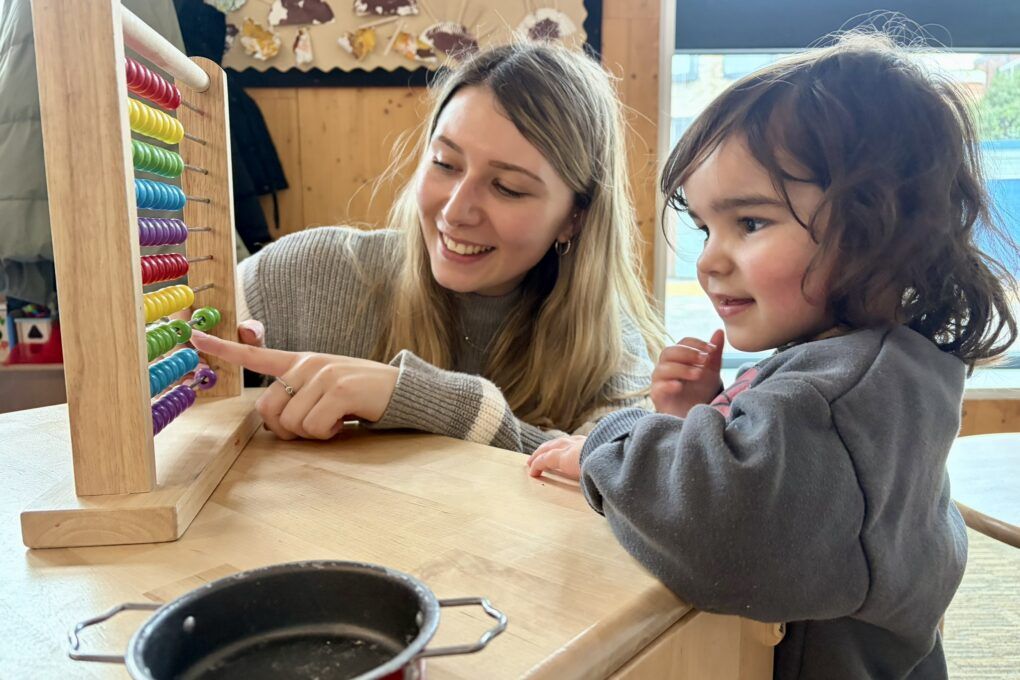
This is the model we follow at Ark Start, a not-for-profit nursery network that is part of the Ark umbrella. We are co-located with schools providing what we hope is a ‘best of both’ arrangement – families benefit from flexible, all round care, led by experienced early educators who are expert in working with babies and very young children; children benefit from a smooth transition to primary and continuity of curriculum; and staff in both the nursery and the school benefit from sharing expertise and training.
We’re now a network of five nurseries – four of which are co-located with Ark schools and one of which is co-located with a partner school – and are hoping to grow to 12 over the coming years.
Over 80% of our families are accessing their entitlement at no additional cost and we’re confident our children are making accelerated progress, starting school happily and confidently ready to thrive.
On Tuesday, EdCity hosted a discussion with Ark Start and colleagues from Early Education, the Early Education and Childcare Coalition, the Ebor Academy Trust, NAHT and St Paul’s Nursery School about the potential benefits of the school-based nursery programme – and the wider role of school-based nurseries.
The same day, Ark Start was delighted to be awarded funding from the DfE to develop our sixth nursery at Ark John Keats in Enfield, North London, as part of their strategy to incorporate 300 new school-based nurseries around the UK.
Despite the many challenges facing both early years and the schools sector, it was great to spend the morning discussing with colleagues the window of opportunity the government’s focus on early years is providing us to improve early education, particularly for the least privileged.