Our nurseries are so much more than childcare. They are environments where children grow braver, find their voice, make real friends, and leave ready for what comes next.
Why learning through play is key in early years education
09 May 2025
At Ark Start, we believe that early years is a critical phase in a child’s education and that a great start in life will help children thrive at school and beyond.
Molly Devlin
Director of Early Years
Molly is Director of Early Years at Ark and runs Ark Start nurseries. She is passionate about providing quality education for young children and has worked in the early years for over 12 years – as a nursery headteacher, nursery manager, reception teacher, and as a primary school senior leader responsible for safeguarding, SEN, Early Years and early reading, including synthetic phonics to name a few.
She loves singing and storytelling and knows how fun and motivating it is for young children to learn more about the world through stories, songs and experiences. Originally from New Zealand, Molly enjoys spending as much time outdoors as possible and, in her spare time, she loves cuddling her cats.
Play is at the centre of our approach because we know that children learn through play – we know this is true not just because we see and feel it, but because the evidence tells us that it is true. Play is a fundamental part of a child’s educational journey at nursery.
9 ways play-based learning supports child development
Play is so much more than just playing! Here are nine other benefits for children development:
Cognitive Development: Play helps children develop essential cognitive skills such as problem-solving, critical thinking, and creativity. Through play, children explore cause-and-effect relationships, learn to make decisions, and engage in imaginative thinking.
Language Development: Play often involves communication, whether it’s with peers or through imaginative play with toys. This helps children develop language skills, including vocabulary, grammar, and social communication.
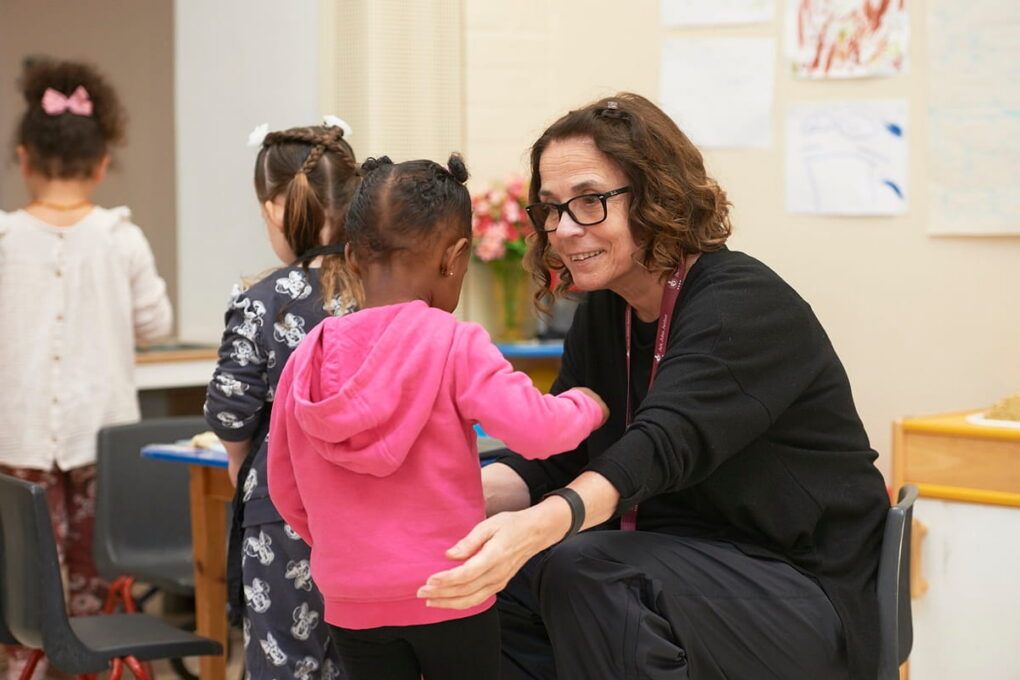
Social and Emotional Development: Play provides opportunities for children to interact with others, helping them develop social skills such as sharing, cooperation, and empathy. Through play, children also learn to understand and manage their emotions, an important aspect of emotional intelligence.
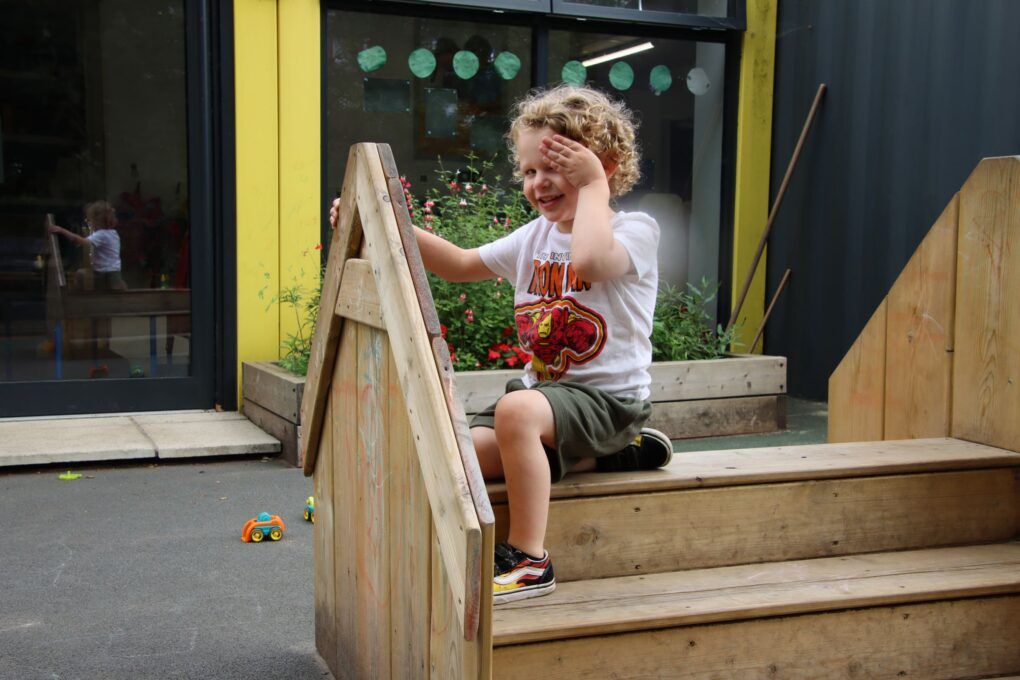
Physical Development: Different types of play, such as outdoor play, running, climbing, and manipulative play with toys, contribute to the development of gross and fine motor skills. These physical skills are essential for overall health and coordination.
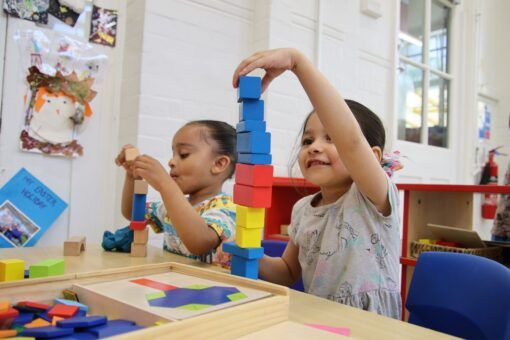
Problem-Solving Skills: Play often involves overcoming challenges and solving problems, whether it’s building a tower with blocks or figuring out how to fit puzzle pieces together. These experiences help children develop problem-solving skills and persistence.
Imagination and Creativity: Pretend play and imaginative scenarios allow children to explore their creativity and develop their imagination. This fosters a sense of curiosity and a willingness to explore new ideas.
Self-Regulation: Play situations often require children to follow rules, take turns, and control impulses. These experiences contribute to the development of self-regulation skills, which are crucial for success in academic and social settings.
Stress Reduction: Play is a natural stress reliever for children. It allows them to relax, have fun, and release pent-up energy, promoting a positive emotional state that supports learning.
Curiosity and Exploration: Play encourages children to explore their environment, experiment with different materials, and satisfy their natural curiosity. This exploration lays the foundation for a lifelong love of learning.
How nursery staff guides learn through play in early years
Just because play-based learning is at the heart of our approach, does not mean the staff don’t matter. In fact, supporting children to learn through play takes deep knowledge and skill. They do this in a range of ways through different nursery activities:
Creating a Play-Friendly Environment:
Ensuring that the learning environment is well-organized, inviting, and includes a variety of materials that encourage exploration and imaginative play.
Designating specific areas for different types of play, such as a reading corner, a block area, or a dramatic play space.
Observing and Assessing:
Regularly observing children during play to understand their interests, strengths, and areas for growth.
Using these observations to plan and adapt activities that align with individual and group needs.
Providing Open-Ended Materials:
Offering a variety of open-ended materials that can be used in multiple ways. This encourages creativity and allows children to use their imagination.
Examples include blocks, art supplies, natural materials, and dress-up items.
Supporting Social Interactions:
Encouraging cooperative play by organizing activities that require teamwork and collaboration.
Teaching conflict resolution skills and help children navigate social interactions during play.
Balancing Structured and Unstructured Play:
Providing a balance between free, unstructured play and more structured activities. This helps children develop a range of skills including sharing and risk taking.
Structured activities can include guided art projects, group games, or thematic play scenarios.
Being a Play Facilitator:
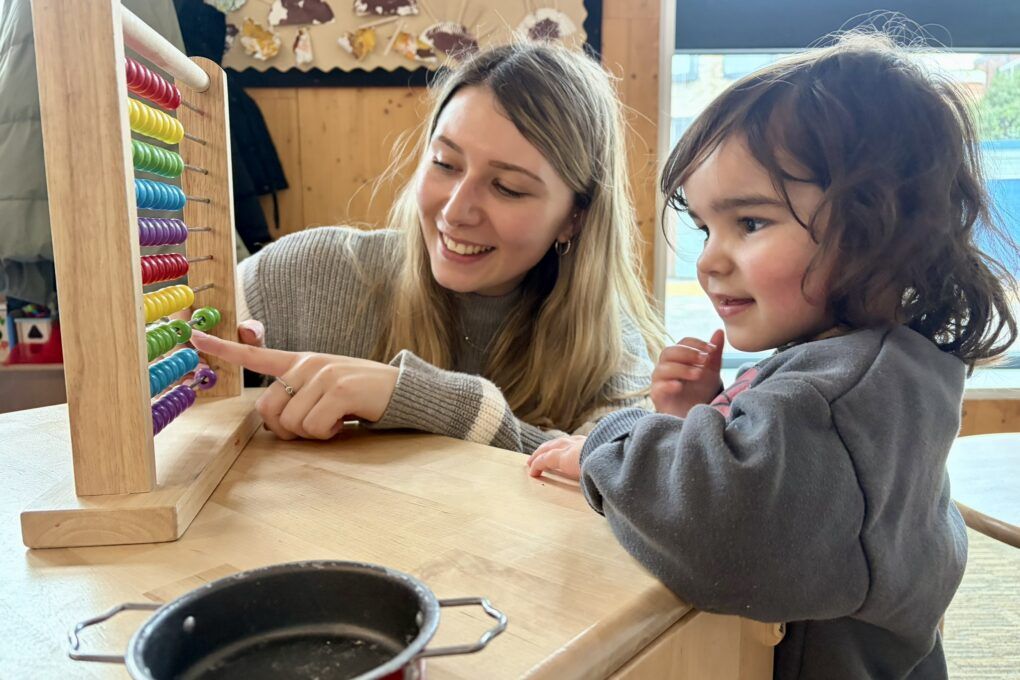
Engaging with children during play, asking open-ended questions and extending their play experiences.
Being responsive to individual’s children’s interests and their development next step and provide additional resources or information to deepen their understanding.
Respecting Diverse Play Styles:
Understanding that children may engage in play differently based on their personalities, backgrounds, and experiences.
Creating an inclusive environment that values and respects various play styles and preferences.
Encouraging Risk-Taking:
Fostering an environment where children feel comfortable taking risks in their play, whether it’s trying a new game, building a more complex structure, or expressing themselves creatively.
Integrating Learning:
Integrating educational goals into play activities, aligning them with developmental milestones and curriculum objectives.
Using play as a medium for teaching concepts in language, math, science, and other subjects.